Bring Back to Life Your Appliances: Expert Repair Services for a Smooth-Running Home
In every complete information home, appliances serve a crucial function in daily routines. When they break down, the consequent disruption can be inconvenient and frustrating. Professional repair services can rejuvenate these vital machines, guaranteeing they function effectively once again. Understanding when to pursue professional help and what the repair process involves can greatly impact both the longevity of appliances and household peace. Investigating these factors can provide valuable insights for maintaining a uninterrupted home environment.
Common Household Appliances That Often Break Down
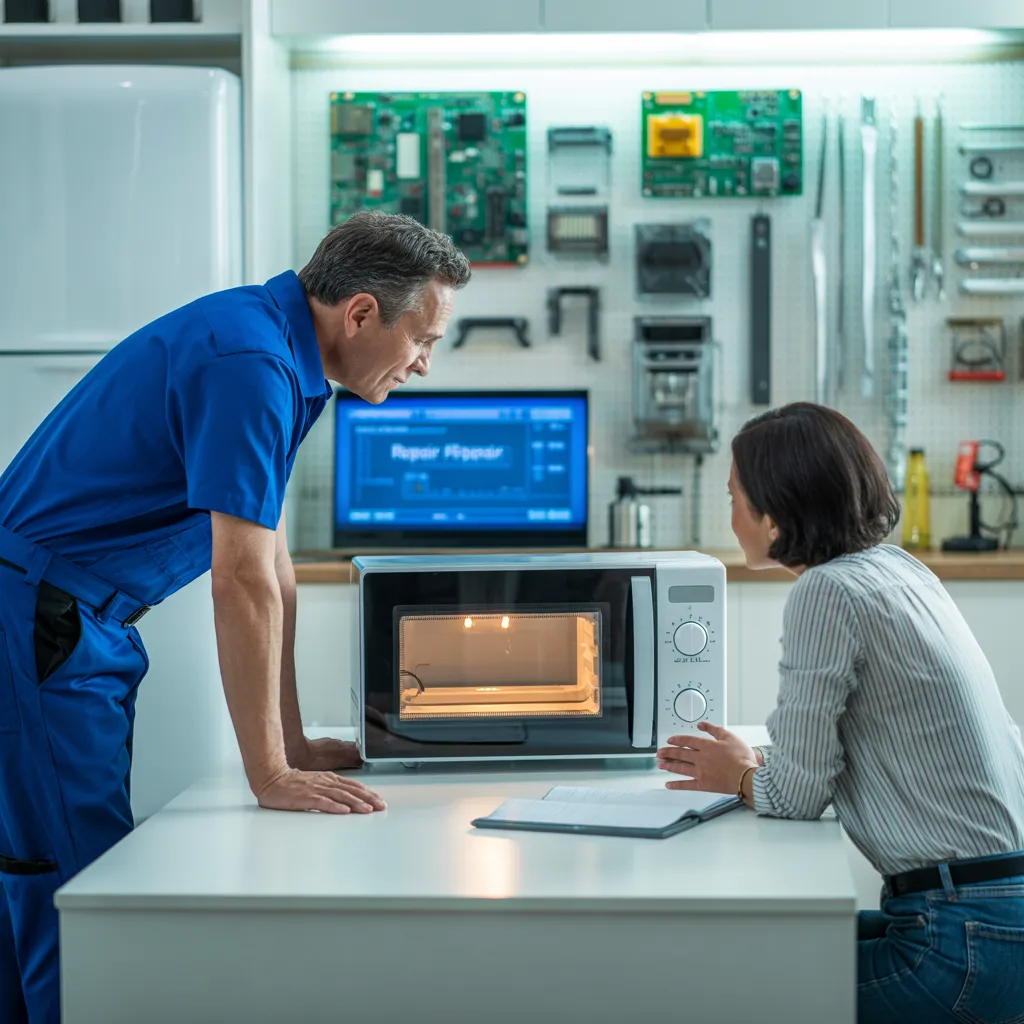
Household appliances play an important role in daily life, though many are prone to malfunction. Among the typical troublemakers are refrigerators, which can experience complications like temperature fluctuations or cooling failures. Clothes washers likewise experience frequent failures, often due to troubles with the barrel, engine, or water removal mechanism. Dishwashers, despite being handy, may experience failures such as dripping or obstructed filters, causing suboptimal cleansing. Cooking appliances may also prove challenging; issues with warming components or starter mechanisms are quite typical. Microwaves, while frequently overlooked, can be affected by faulty door latches or malfunctioning circuit boards. Lastly, HVAC systems, essential for sustaining pleasant indoor conditions, may break down due to worn-out components or refrigerant leaks. Every one of these machines, essential to contemporary life, emphasizes the significance of prompt servicing and fixes to guarantee ongoing functionality and efficiency.
Warning Signs That Your Appliance Demands Professional Repair Work
Detecting the indicators that an appliance demands expert repair can avoid further complications. Unusual noises and the presence of warning lights are important signals of underlying issues. Handling these signs swiftly can protect time and money in the long run.
Odd Noises Reveal Problems
When appliances begin to emit unusual noises, it often signifies hidden issues that demand urgent care. These sounds can include everything from grinding and rattling to buzzing and hissing, each pointing to specific issues. For instance, a washing machine that emits a loud thumping noise may signal an unbalanced load or worn-out bearings. Likewise, a refrigerator that hums excessively might be struggling with a failing compressor. Dismissing these sounds can result in more substantial harm and costly repairs down the line. Consequently, it is crucial for homeowners to recognize these auditory warnings and seek expert repair services. Tackling the source of unusual noises promptly not only prolongs the appliance's lifespan but also ensures maximum efficiency in the home.
Caution Lights Are Displayed
Unusual noises are not the only indicators that an appliance may be malfunctioning; warning lights can also signal the need for expert repair. When an appliance displays a warning light, it typically indicates an issue that requires immediate attention. For instance, a blinking light on a washing machine may suggest an imbalance, while a refrigerator's temperature warning light can point to cooling problems. Ignoring these signals can lead to further damage and costly repairs. Homeowners should pay close attention to their appliances' warning lights, as they serve as vital alerts for potential failures. Seeking expert repair services promptly can guarantee the appliance is restored to peak functioning, ultimately preventing inconvenience and additional expenses.
Why Hire Professional Appliance Repair Professionals?
Employing professional appliance repair technicians can substantially improve the effectiveness and longevity of household appliances. These experts have specialized knowledge and experience, enabling them to accurately diagnose issues that may be challenging for homeowners to identify. They are equipped with the right tools and replacement parts, guaranteeing repairs are conducted effectively and effectively.
In addition, professional technicians keep updated on the latest technologies and trends in appliance repair, which can be essential for modern equipment. By assigning repairs to skilled professionals, homeowners can avoid the risks linked with DIY attempts, such as further damage or safety hazards.
In addition, engaging specialists can conserve time and reduce stress, as they can swiftly address issues and supply beneficial maintenance tips. In the end, securing the help of professional appliance repair technicians not only brings back functionality but also contributes to the overall quality of the home environment.
Finding the Right Repair Service for Your Appliance Requirements
Discovering the right repair service for appliance needs can substantially impact the effectiveness of repairs. Consumers should focus on researching local repair services, as proximity can determine response times and convenience. Online reviews and testimonials offer details into customer satisfaction and service quality, permitting individuals to make knowledgeable decisions. It is also crucial to confirm the credentials and experience of technicians, making sure they are qualified to handle particular appliance brands and models.
Additionally, securing multiple quotes can help with comparing prices and services, providing transparency in costs. A credible service should provide warranties on both parts and labor, reflecting confidence in their work. Communication is another key factor; a good repair service should provide straightforward explanations of issues and possible solutions. All in all, taking the time to select a dependable repair service can lead to more efficient repairs and a superior overall experience for homeowners.
What Occurs During the Repair Procedure?
During the repair process, technicians commence with an initial diagnosis to determine the appliance's problems. After this, required parts are replaced to restore functionality. Finally, a testing phase ensures that the appliance operates correctly before it is returned to the owner.
Primary Diagnostic Process
A detailed initial diagnosis is crucial for effective appliance repair, as it lays the groundwork for identifying issues accurately. During this evaluation, a qualified technician will assess the appliance to gather relevant information about its performance and any symptoms reported by the homeowner. This involves a visual inspection, checking for unusual sounds, smells, or leaks, and testing various operational functions. Technicians may employ specialized diagnostic tools to detect malfunctions and may also consult the appliance's manual for troubleshooting instructions. This systematic approach helps in understanding the underlying problems and enables the technician to establish a clear repair strategy. Ultimately, an accurate diagnosis not only streamlines the repair process but also helps prevent future issues, ensuring superior appliance performance.
Component Replacement Procedure
Following confirmation of the diagnosis, the technician begins the parts replacement process by obtaining the required components for the repair. This includes verifying that all parts are compatible with the specific appliance model. Once the components are assembled, the technician cautiously disassembles the appliance, taking care to document the order of removal for reassembly. Each part is examined for wear or damage, and the faulty components are replaced methodically. The technician follows safety protocols throughout, disconnecting power sources and employing appropriate tools. After installation, the technician ensures all connections are secure and that the new parts are functioning properly. This thorough approach helps to restore the appliance's performance, providing reliability and longevity.
Final Test Phase
When the parts replacement procedure is completed, the focus moves to the final testing stage. During this crucial stage, technicians activate the appliance to verify that it works as expected. They monitor its functionality attentively, looking for any abnormal noises or malfunctions. Key tests may include verifying temperature settings in refrigerators or performing cycles in washing machines. Technicians also assess the proper integration of new components, confirming they interact smoothly with existing parts. If any concerns arise, further adjustments or troubleshooting are performed. This comprehensive assessment ensures that the appliance is safe, optimal, and ready for use. Finishing the final testing stage allows customers to have peace of mind, knowing their appliances have been expertly repaired and are in optimal working condition.
Repair Expenses: Is It Worthwhile?
How do you assess whether repairing an appliance is cost-effective? Examining repair expenses involves various essential considerations. To begin with, you should evaluate the appliance's age; typically, when it exceeds half its anticipated lifespan, buying new might be more cost-effective. Next, the repair estimate must be weighed against the price of a new appliance, as a rule of thumb suggests that repairs costing more than 50% of the replacement price may not be worth it. Additionally, the frequency of past repairs should be taken into account; appliances requiring multiple fixes in a short period often signal the need for replacement. Ultimately, examining the device's energy efficiency may generate long-term savings that offset repair expenditures. Overall, meticulous assessment of age, repair patterns, and expense comparison is vital for deciding if repair is economically sound.
Tips for Appliance Maintenance to Avoid Failures
Fixing appliances frequently leads to considerable costs, which makes regular maintenance a preventative strategy to prevent failures. Consistent care for appliances simultaneously increases their service life and boosts effectiveness. Basic maintenance activities, like cleaning fridge coils and ensuring adequate airflow for dryers, help avoid overheating issues and equipment breakdowns.
Home residents need to examine and swap out filters in air conditioning systems and dishwashing appliances to preserve maximum effectiveness. In addition, checking hoses and connections for leaks can prevent water damage and costly repairs.
Scheduling annual professional maintenance can uncover potential issues before they escalate, allowing for timely interventions. Moreover, following manufacturer guidelines for use and care helps ensure appliances operate smoothly.
Frequently Asked Questions
What Is the Typical Duration of Appliance Repairs?
Appliance fixes generally take between 1 to multiple hours, depending on the complexity of the issue. Basic repairs may be resolved quickly, while more intricate problems could necessitate further time for labor and parts modifications.
Can I Fix My Appliance by Myself Rather Than Using a Professional Service?
Individuals can indeed repair appliances on their own if they have the required skills and tools. Nevertheless, lacking adequate knowledge, trying repairs could result in additional damage or safety risks, making professional assistance a more secure choice.
What Warranty Options Do Appliance Repair Services Include?
Appliance repair companies generally provide warranties that encompass labor and parts for a particular timeframe, typically spanning from one month to 12 months. These warranties provide customer satisfaction and shield from subsequent problems arising from the repair.
Does the Repair Cost Include Spare Parts?
Spare parts are typically not included in the repair cost. Service providers typically bill parts as a separate item, with expenses varying by appliance model and required elements, guaranteeing consumers know the full price beforehand.
How Can Future Appliance Breakdowns Be Prevented?
Regular maintenance, including cleaning, proper usage, and timely inspections, greatly reduces the likelihood of future appliance issues. Additionally, adhering to manufacturer specifications and promptly addressing minor issues can lengthen the service life of household appliances effectively.