Enhance Your TV Performance: Essential Knowledge on TV Repairs and Connected Services
Enhancing a TV's performance is vital for any user. Several experience common issues like empty screens or wavering images, which often suggest underlying problems. Knowing when to seek professional help can avoid further damage. Additionally, knowing some DIY troubleshooting tips may preserve both time and money. As technology evolves, considering a timely upgrade can improve the complete experience. What measures should one take to ensure their TV remains in top condition?
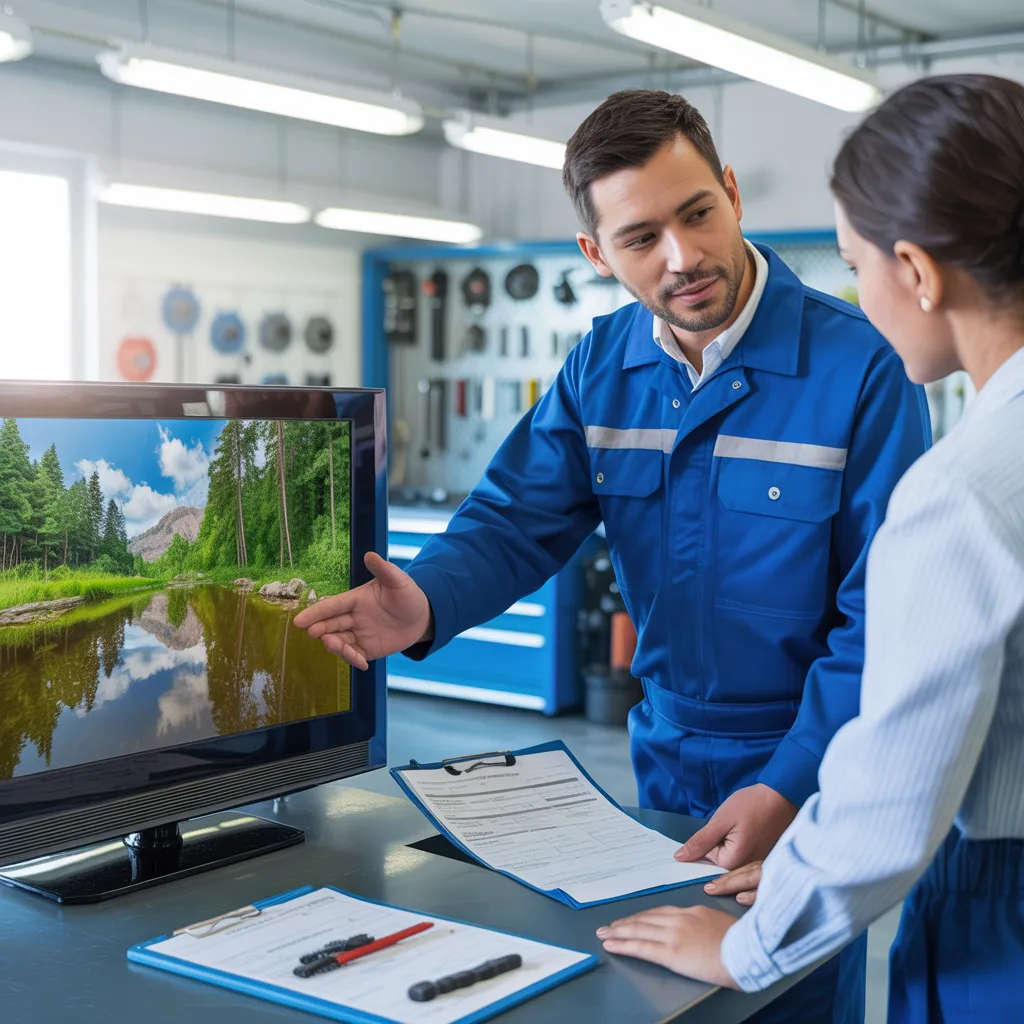
Standard TV Issues and Their Indicators
When TVs experience malfunctions, several symptoms can point to underlying issues. A blank screen is a common problem that may suggest power supply failures or connection issues. Flickering images often suggest problems with the display panel or signal interference. Speaker failures or incorrect settings can cause audio malfunctions like distorted sound or no sound at all. Furthermore, frequent freezing may indicate software glitches or components that overheat. Remote control issues often stem from depleted batteries or malfunctioning sensors. Color distortion problems may indicate display calibration errors or internal circuit issues. Identifying these symptoms assists in problem diagnosis before determining the proper repair or service approach.
When to Obtain Professional Assistance
How can you identify the right moment to enlist professional assistance for TV repairs? Spotting the signs of a malfunctioning television is essential. If the screen remains blank despite power being supplied, or if there are persistent flickering images, these issues often reveal deeper problems that require expert intervention. In addition, unusual sounds, overheating, or a failure to connect to external devices can demonstrate that professional help is necessary. When troubleshooting yields no results, and symptoms persist, it is advisable to seek expert assistance. Homeowners should also consider the age of their device; older models may require specialized knowledge for repairs. Ultimately, prioritizing safety and ensuring a quality repair experience justifies enlisting a professional for complex or concerning issues.
Troubleshooting Your TV: DIY Tips and Solutions
Before obtaining professional help, many people may want to explore DIY troubleshooting methods for common TV difficulties. A black screen may signal a loose cable; checking all connections can often resolve this problem. If the TV doesn't power up, ensuring the power cord is inserted and the outlet is functional is a good first step. For sound issues, verifying that the mute function is off and adjusting the volume settings can help. In addition, performing a factory reset may fix persistent software glitches. For picture quality issues, adjusting the settings or checking for interference from nearby devices may be beneficial. These simple steps can often remedy minor problems, allowing viewers to enjoy their television without unnecessary delays or costs.
Comprehending TV Repair Pricing
Understanding the financial implications associated with TV repairs is crucial for consumers who might be facing problems with their devices. Repair costs can vary greatly based on various factors, including the type of TV, the nature of the problem, and the required parts. For instance, basic issues like a blown fuse may cost less than $100 to repair, while screen replacements for top-tier models can surpass $1,000. Labor expenses also play a crucial role, with technicians typically charging between $50 to $150 per hour. Additionally, warranty coverage may affect repair charges, potentially alleviating some financial burden. By comprehending these factors, consumers can make educated decisions about whether to repair or replace their televisions, finally enhancing their investment.
Choosing the Best Repair Service
Selecting the right TV repair service requires assessing several crucial factors. Skill and experience play a major role in guaranteeing quality repairs, while warranties and guarantees offer peace of mind for customers. Moreover, cost transparency is vital for avoiding unexpected charges and fostering trust between clients and service providers.
Skill and Experience
In terms of choosing a repair service for televisions, the experience and expertise of technicians are essential in providing quality repairs. Experienced technicians possess thorough understanding of numerous TV brands and models, permitting them to diagnose issues efficiently and accurately. Experience enhances their ability to handle intricate problems, as they have typically encountered similar cases in the past. A reputable service frequently showcases certifications and training, which serve as indicators of a technician's proficiency. Moreover, customer reviews and testimonials can provide insight into the technician's track record. Ultimately, selecting a repair service with qualified professionals not only leads to effective repairs but also instills confidence in the durability and functionality of the television post-repair.
Warranties and Guarantees
A dependable repair service should always provide explicit warranty and guarantee policies to secure customer satisfaction and protection. These policies serve as a commitment to the quality of workmanship and parts used during repairs. When selecting a repair service, customers should question the duration and coverage of the warranty. A reputable service usually provides a warranty on both labor and parts, making certain that any defects or issues arising shortly after the repair are handled without additional costs. Furthermore, understanding the terms and conditions of these guarantees is crucial, as they outline the responsibilities of both the service provider and the customer. This transparency fosters trust and strengthens the value of investing in professional TV repair services.
Pricing Transparency
While many repair services may advertise low prices, cost transparency is essential for customers looking for reliable TV repairs. Understanding the full scope of potential expenses can eliminate disappointing surprises. Reputable repair services deliver detailed estimates that specify labor, parts, and any additional fees upfront. This openness permits customers to make informed decisions and compare different providers effectively. Additionally, asking for a breakdown of costs can expose any hidden charges or unnecessary services. A transparent service establishes trust and can be a reflection of quality workmanship. Customers should favor companies that value honesty in their pricing, as this often reflects a commitment to customer satisfaction and high standards in repair practices.
Preventive Maintenance for Your TV
Preventative maintenance is essential for extending the life of a television. Regular maintenance routines, such as removing dust from the screen and ensuring ventilation, can substantially boost performance. Additionally, preserving perfect viewing conditions, including suitable lighting and proper spacing, leads to a superior watching experience and reduces strain on the device.
Routine Cleaning Methods
How frequently should someone think about cleaning their TV to ensure optimal performance? Regular cleaning is vital, ideally every month, to prevent dust accumulation and maintain ideal picture quality. Microfiber cloths are preferred for softly cleaning screens, because they minimize scratching risks. It is important to avoid harsh chemicals, opting instead for a solution specifically designed for electronics if necessary. Additionally, dusting the TV's vents and surrounding areas helps maintain proper airflow, which can prevent overheating. Ensuring the TV remains in a clean area moreover boosts its longevity and operational efficiency. Through similar resource compliance with these routine cleaning methods, users can benefit from enhanced image quality and increase their TV's longevity.
Ideal Viewing Parameters
Developing perfect viewing settings is vital for enriching the television experience and extending the device's lifespan. Proper illumination serves a significant function; decreasing environmental lighting can diminish glare and boost visual quality. Positioning the TV at eye level guarantees comfort during prolonged viewing, while maintaining a distance of at least five times the screen size enhances clarity. Proper ventilation is also critical; placing the TV on a well-ventilated stand prevents overheating, which could impair internal elements. Frequently updating settings such as brightness and contrast depending on the room's lighting further enhances performance. Additionally, minimizing dust accumulation around the TV and electronic devices helps maintain clear visuals. These protective steps together support an enhanced viewing experience and extended television longevity.
When Should You Upgrade Your Television?
When is the right moment to reflect on upgrading a television? This choice typically depends on multiple important elements. First, advancements in technology, such as 4K resolution, OLED displays, or HDR, can greatly enhance viewing experiences. If these features are absent from your current television, it may be worth considering an upgrade. Moreover, how old the device is matters considerably; televisions over eight years old may not support modern streaming services or applications effectively. Ongoing repair requirements or operational troubles signal that replacing it might be financially smarter. Lastly, shifts in how you watch content, like greater reliance on smart capabilities or gaming, may require an upgrade to properly support these activities. Assessing these elements aids in identifying the perfect moment for a replacement.
Common Questions
Is It Feasible to Repair My TV Myself Without Voiding the Warranty?
Repairing a TV oneself typically voids the warranty. Product manufacturers typically demand professional repairs to maintain warranty coverage. It is recommended to review the warranty terms and consider authorized service centers for needed repairs.
Which Brands Offer the Most Reliable TV Repair Services?
Samsung, LG, and copyright are frequently considered top brands for dependable TV repair services. Their broad customer support networks and authorized service centers ensure efficient solutions, ensuring quality repairs and customer satisfaction across multiple regions.
What's the Typical Duration for TV Repairs?
TV repair work generally takes anywhere from a couple of hours to multiple days, depending on the nature of the malfunction and the availability of components. Quick fixes may be completed quickly, while extensive damage necessitate more time.
Are TVS Replacement Parts Easy to Obtain?
TV replacement parts are frequently accessible, according to the brand and specific model. Common components can be sourced easily, while older or specific components may demand greater effort to source through specialist vendors.
What Should I Do When My TV Warranty Expires?
Should a television warranty have expired, the individual should consider seeking professional repair services, examining local repair shops, or researching online guides for DIY fixes. Evaluating repair costs against replacement options is also recommended.